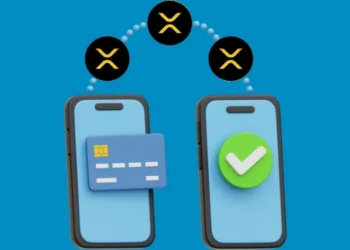



As blockchain continues to disrupt traditional finance, one of the most compelling real-world applications is Ripple’s On-Demand Liquidity (ODL). Designed to eliminate the inefficiencies of cross-border payments, ODL has emerged as a transformative solution that enables instant global money transfers without pre-funding.
But what is Ripple’s ODL, how does it work, and why are major financial institutions adopting it? This guide answers all your questions with simple explanations, real use cases, and a look into the future of blockchain-based payments.


Understanding the Problem: Traditional Cross-Border Payments
Before diving into ODL, it’s essential to understand the current pain points in international payments:
- Slow settlement times (often 2–5 days)
- High transaction fees due to multiple intermediaries
- Lack of transparency and real-time tracking
- Pre-funding requirements in foreign accounts (also called nostro accounts)
These issues create friction, especially for small- to mid-sized financial institutions, remittance providers, and businesses operating globally.
What is On-Demand Liquidity (ODL)?
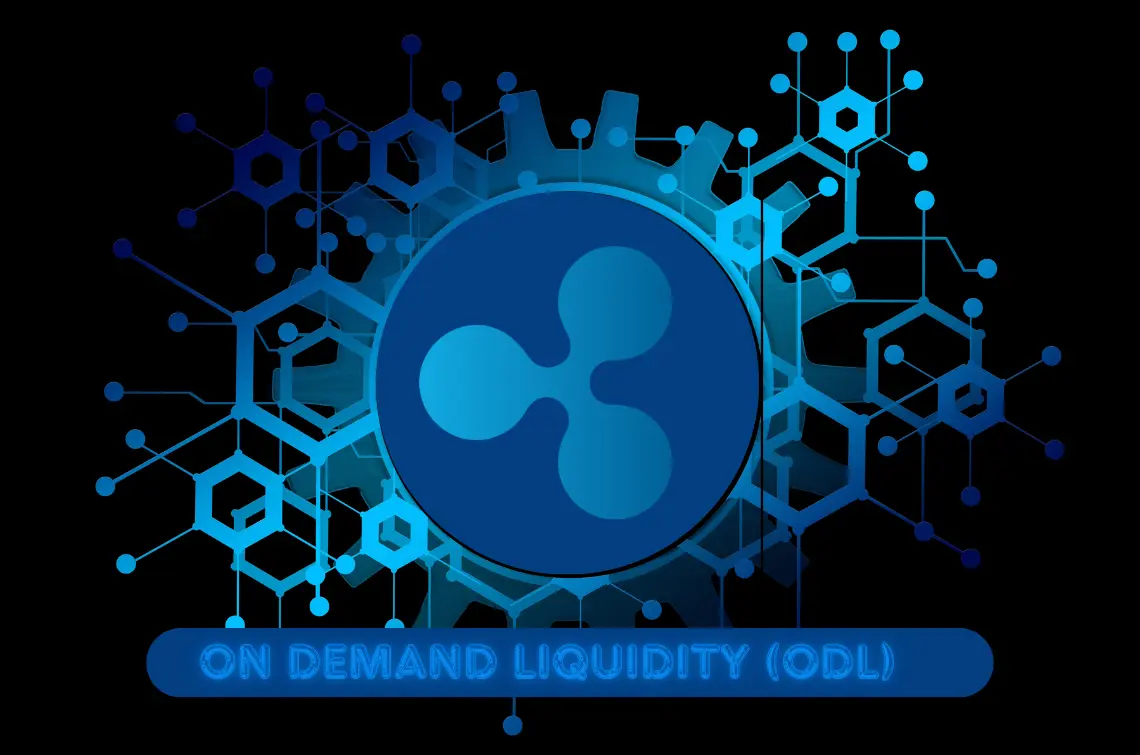
On-Demand Liquidity (ODL) is Ripple’s blockchain-based payment solution that uses the digital asset XRP as a bridge currency to enable instant, cross-border transfers without the need for pre-funding.
Instead of holding foreign currencies in accounts around the world, financial institutions can convert local fiat to XRP, send it across the globe in seconds, and convert it into the recipient’s local currency — all in one seamless transaction.
This process dramatically reduces capital requirements and settlement times.
How Does Ripple’s ODL Work?
Here’s a simplified, step-by-step breakdown of how ODL transactions function:
- Sender’s Bank or Payment Provider converts local fiat (e.g., USD) into XRP using a crypto exchange like Bitstamp or Binance.
- The XRP is sent across the XRP Ledger to a foreign exchange in the recipient’s country.
- The receiving exchange converts the XRP into local currency (e.g., PHP or MXN) and settles the amount to the recipient.
The entire transaction can be completed in 3 to 5 seconds, offering significant time and cost savings compared to the traditional SWIFT system.
Key Features of Ripple ODL
- Real-Time Settlement – Cross-border payments are executed and settled within seconds.
- No Pre-Funding Required – Eliminates the need to hold funds in foreign accounts.
- Lower Operational Costs – Reduces fees associated with intermediaries and FX spreads.
- Enhanced Liquidity Management – Capital can be deployed more efficiently.
- Scalability – ODL is already integrated into payment corridors worldwide.
What Role Does XRP Play in ODL?
XRP serves as the bridge asset in ODL transactions. It provides liquidity between two fiat currencies by acting as the medium of exchange.
Benefits of using XRP in ODL:
- High speed and low cost – XRP transactions settle quickly and with minimal fees.
- Global liquidity – XRP is listed on hundreds of exchanges worldwide.
- No counterparty risk – Unlike stablecoins or fiat, XRP transactions are settled independently.
While XRP’s market price can fluctuate, Ripple claims that the speed of transactions reduces exposure to volatility.
Real-World Use Cases and Partnerships
Ripple has partnered with numerous financial institutions and payment service providers to implement ODL in production. Some notable examples include:
- Tranglo – Southeast Asia-focused remittance network using ODL for B2B and P2P transfers.
- Bitso and Ripple in Mexico – Enabling real-time remittances between the U.S. and Mexico.
- SBI Remit in Japan – Leveraging ODL for faster payments to Southeast Asia.
- Novatti Group – Australian fintech company using ODL to expand into new corridors.
Ripple’s ODL service is available in corridors like the U.S.–Mexico, Europe–Philippines, U.K.–India, and Australia–Southeast Asia, with more expansion planned.
ODL vs. Traditional Remittance Solutions
| Feature | Traditional System | Ripple’s ODL |
|---|---|---|
| Settlement Time | 2–5 business days | 3–5 seconds |
| Pre-Funding | Required | Not needed |
| Intermediaries | Multiple banks | Peer-to-peer via XRP |
| Fees | High | Low |
| Transparency | Low | Real-time tracking |
Benefits for Businesses and Banks
Ripple’s ODL brings significant advantages for various stakeholders:
For Banks and Payment Providers:
- Improved liquidity and working capital
- Faster, more reliable transactions
- Lower operational risks and reconciliation efforts
For End Users:
- Faster payments to family abroad
- Lower transaction fees
- Greater transparency in international transfers
Compliance and Regulation
Ripple emphasizes regulatory compliance in all ODL corridors. Partner exchanges are required to follow AML, KYC, and sanctions screening protocols.
Additionally, Ripple is working with regulators worldwide to ensure ODL is deployed in legally compliant environments, especially as it navigates the evolving global crypto framework.
Ripple vs. SWIFT: Can ODL Replace Traditional Banking Rails?
SWIFT is the global messaging system used for decades by banks to facilitate cross-border transfers. While reliable, it’s slow, expensive, and lacks transparency.
Ripple’s ODL offers a direct alternative to SWIFT by providing real-time, cost-effective settlement with full visibility into the payment process.
While ODL may not fully replace SWIFT immediately, it’s seen as a complementary or competing solution for banks seeking modern infrastructure.
Is ODL Available to the Public?
ODL is primarily targeted at financial institutions, remittance providers, and corporates. However, individual users may benefit indirectly when using services (e.g., remittance apps) powered by RippleNet.
Ripple is also expanding ODL access to more SMEs and fintech startups, which could open the door to broader use in the future.
Future of Ripple’s ODL
Ripple continues to expand ODL corridors and increase liquidity options for fiat pairs and stablecoins. Looking ahead, we can expect:
- Wider adoption in Africa, Latin America, and the Middle East
- More institutional partnerships
- Integration with CBDCs and central bank initiatives
- Greater use of automated liquidity provisioning
ODL is positioned to play a key role in the evolution of borderless financial infrastructure.
Conclusion
Ripple’s On-Demand Liquidity (ODL) represents one of the most practical and scalable applications of blockchain in finance. By eliminating pre-funding and using XRP as a bridge currency, ODL enables instant, low-cost, cross-border payments for businesses and banks worldwide.
As regulatory clarity improves and adoption spreads, ODL could become a cornerstone of the next-generation global payments system — bridging the gap between traditional finance and decentralized innovation.